ABot-Recon: streaming 3D over thousands of frames with a 12-frame memory
Alibaba AMAP's ABot-Recon (arXiv 2608.27529) reconstructs camera paths and point maps from long video while attending to only the current frame and the 11 before it.
Writing
In-depth AI articles, and earlier notes on 3D perception and production ML systems.
Alibaba AMAP's ABot-Recon (arXiv 2608.27529) reconstructs camera paths and point maps from long video while attending to only the current frame and the 11 before it.
Meta's Astryx is a React 19 and StyleX design system, MIT-licensed, in beta, pitched as built for people and the agents working with them. It launched in June; two posts this week recirculated it.
vLLM's Kimi-K3.1-Pro-pruned75 keeps 224 of the 896 routed experts in each of Kimi K3.1 Pro's 92 MoE layers, chosen without data.
At 10M tokens, the indexer that picks which keys a sparse-attention query reads takes 98% of the layer's prefill time.
Library of Layers (arXiv 2611.03526) replaces the middle of a transformer with a shared library of blocks and a top-1 router that picks the next block at every depth, per window of tokens. Library size is the one knob: fewer blocks than depths is a looped model, more is a sparse one.
Chen, Somasundaram, Li, McLeish, Kirchenbauer, Goldstein and Goldblum (arXiv 2610.38277) trace slow, unrecoverable loss divergences late in training to the LM head: Adam breaks the zero-sum structure of its gradient, the mean logit drifts, and BF16 rounding of large logits erases the differences the softmax needs.
Neuron tuning trains only the output weights of a few MLP neurons that fire in the target context and are quiet elsewhere; the authors report that the model then changes 3-19x less on unrelated text than with a LoRA.
Solv3R (UBC, SFU, Wayve, Sony; arXiv 2611.02857) fine-tunes DéjàView's looped geometry Transformer so its one shared block has no step index: a solved reconstruction stays solved under more calls, a perturbed one comes back, and new views join a running solve instead of restarting it.
ZJU3DV's SplatAnything (InfiniSplat v3) is a feed-forward 3D Gaussian Splatting model on a frozen WorldMirror 2.0.

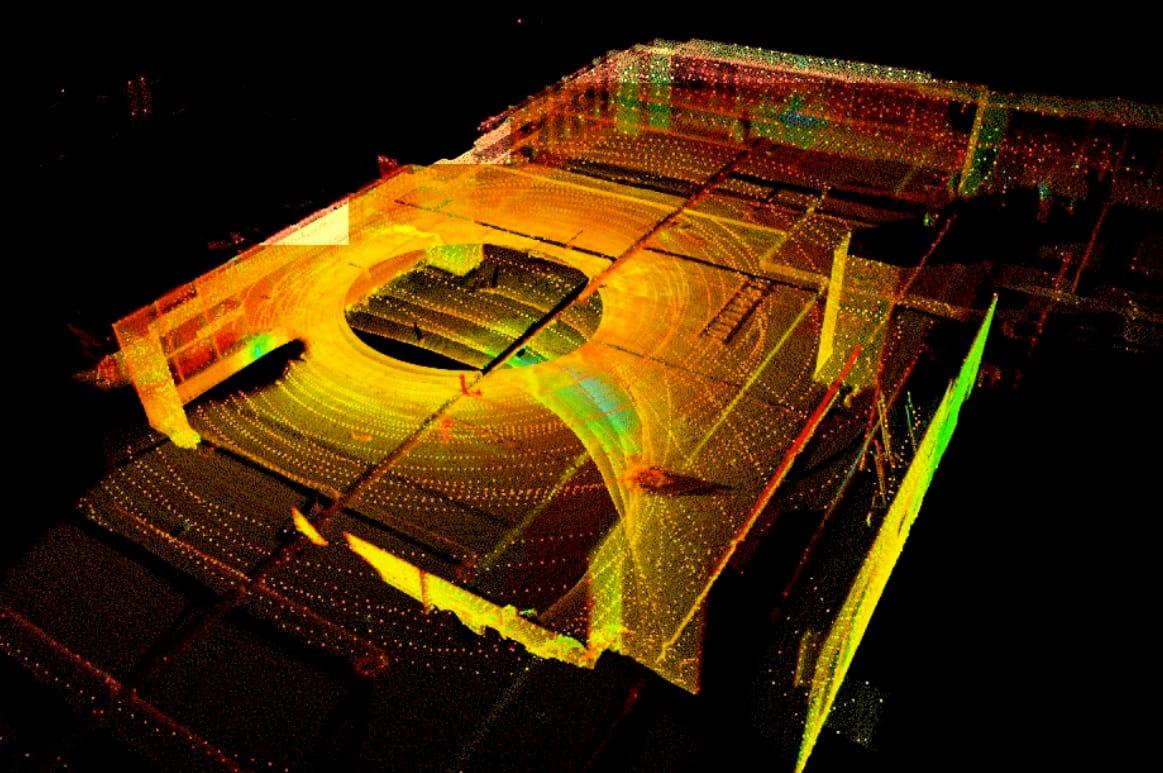
How LiDAR SLAM stitches scans into an accurate 3D map: LOAM, ICP registration, IMU fusion and why sensor noise makes as-built point clouds hard to get right.

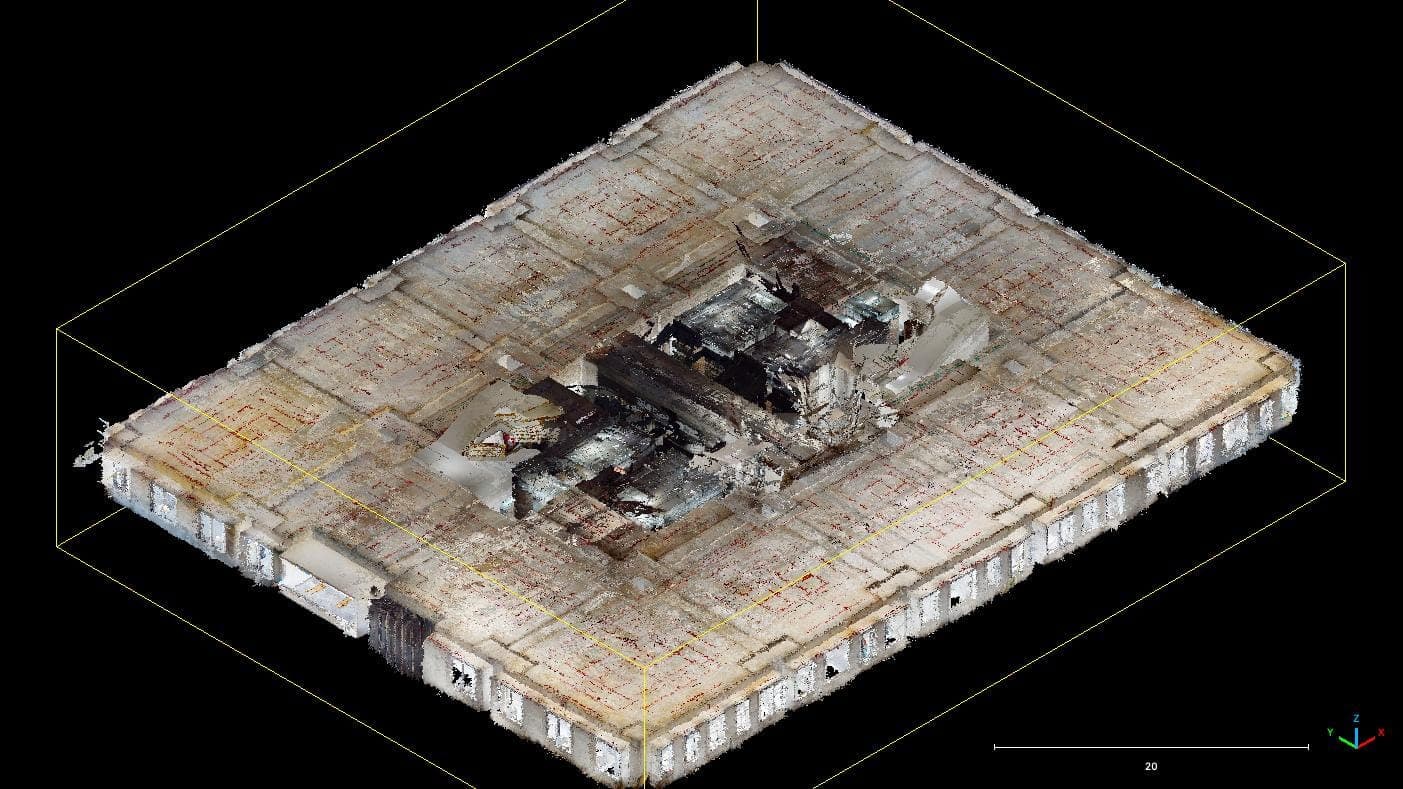
Why LiDAR point clouds that look right can still fail scan-to-BIM: comparing three vendors' scans to expose small drifts, layering and metre-scale measurement errors.

A hands-on look at GGML and llama.cpp: the GGUF file format, how tensors and layers are laid out, and building and running quantized LLMs on a CPU.

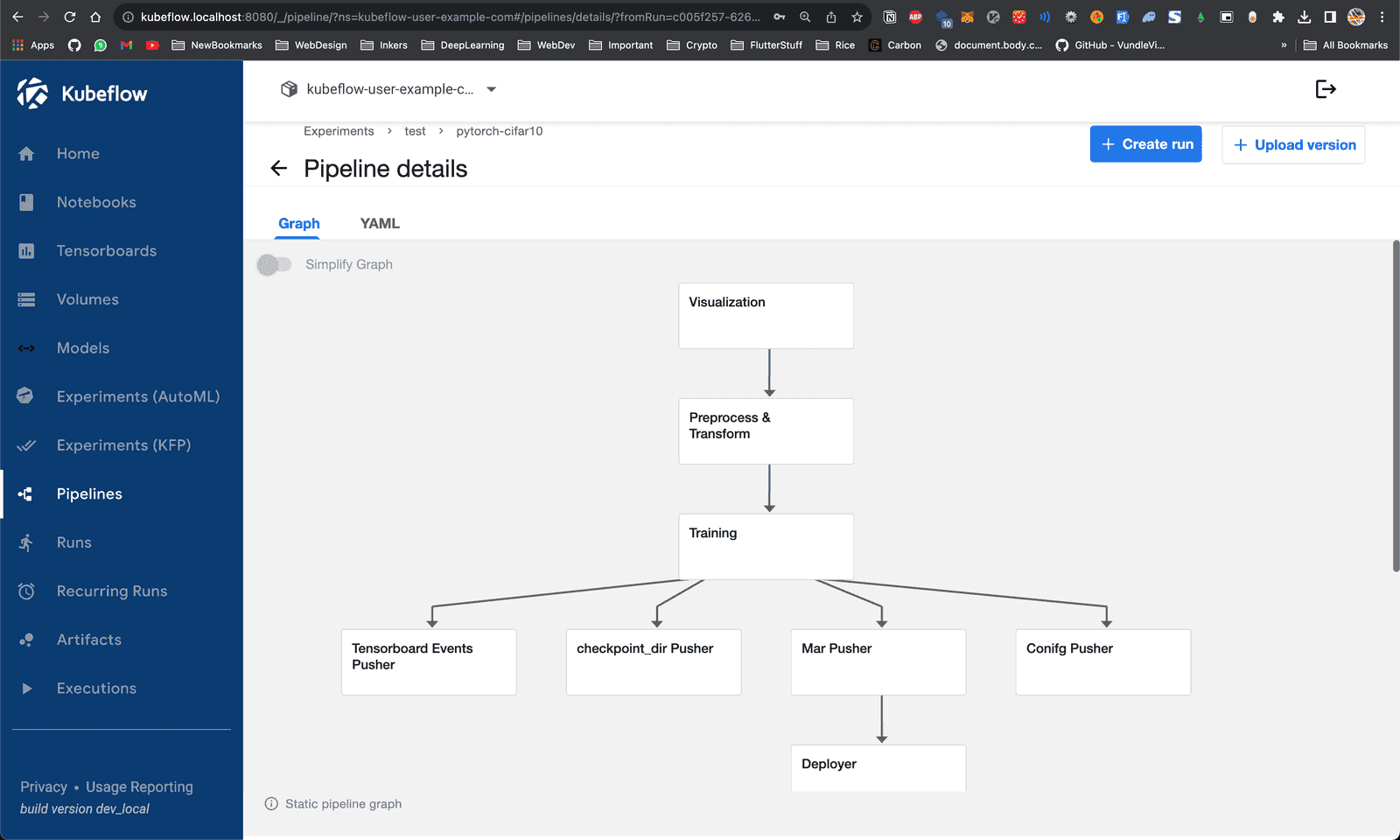
Setting up Kubeflow on AWS EKS with scripts: its architecture, notebooks with custom images, PyTorchJob training operators and the EKS version compatibility to watch.

Speeding up large PyTorch models: torch.compile and its TorchDynamo/Inductor stack, why GPUs sit idle on CPU overhead, with A100 and T4 benchmarks.

Deploying models with KServe on Istio and Knative over AWS EKS, including IAM Roles for Service Accounts (IRSA) so inference pods can read models from S3.

Serving a TorchServe model on AWS EKS with KServe, Knative and Istio, and rolling out new versions safely with canary traffic splitting.